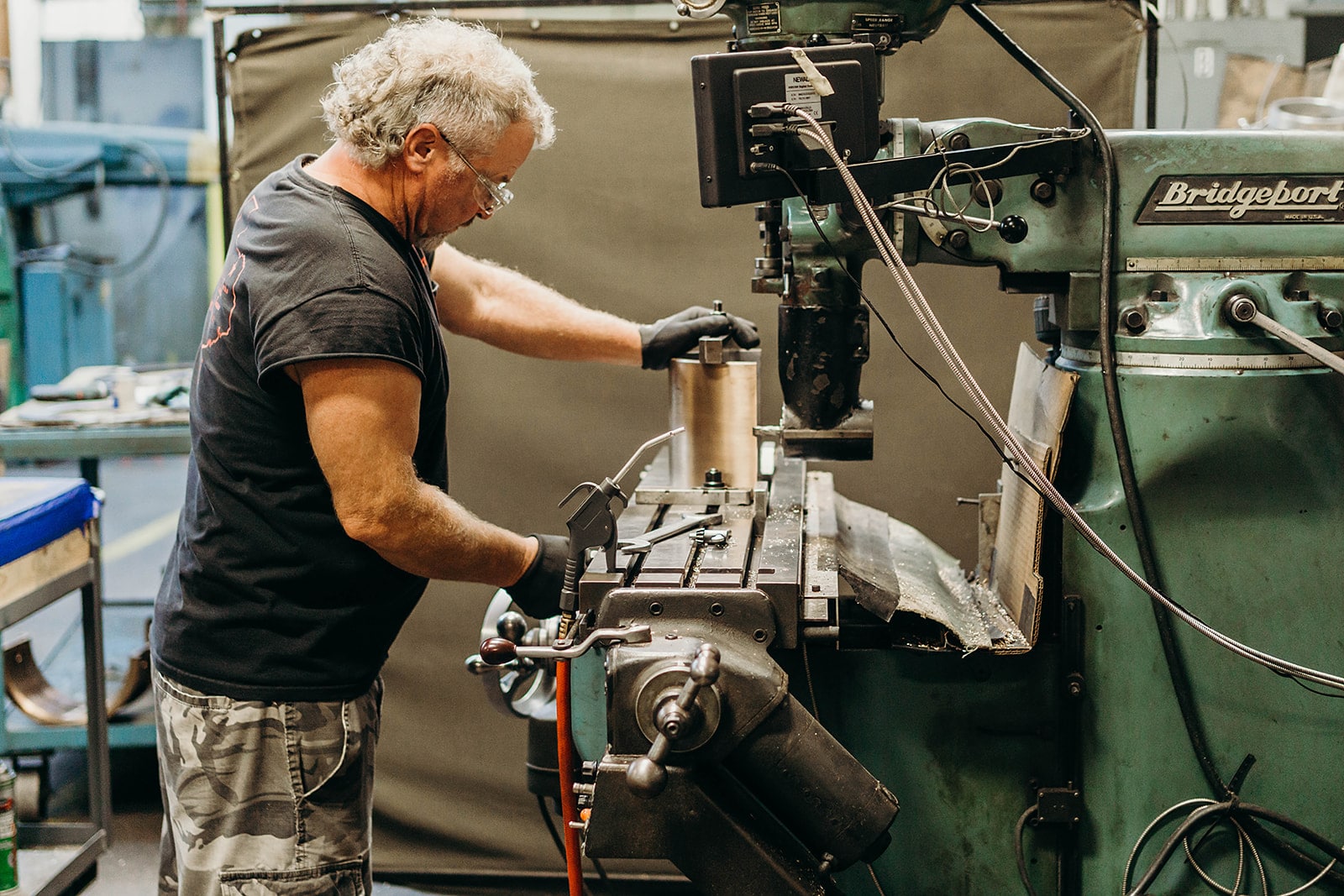
Metal fabrication is the process of creating metal structures by cutting, bending, and assembling raw metal materials. It is the foundation of countless industries, from construction and infrastructure to specialized machinery and customized components. At Washington Iron Works, we transform raw metal into finished, precise products, guiding our clients through every step of this complex journey.
Understanding the fabrication process—from the initial design phase to the final assembly—is key to ensuring your project is completed efficiently, accurately, and on budget.
Phase 1: Conceptualization and Design
The fabrication journey begins long before the first piece of steel is cut. This phase requires collaboration and meticulous planning.
-
Engineering Drawings (Blueprints): The client or engineer provides detailed 2D and 3D drawings (CAD files) that specify dimensions, tolerances, materials, and finishing requirements.
-
Material Selection: Choosing the correct metal is critical. Decisions are made based on the application (e.g., strength, corrosion resistance, weight, cost). Common materials include steel, stainless steel, aluminum, and various alloys.
-
Feasibility Review: Our expert team reviews the design to ensure it is manufacturable (Design for Manufacturability, or DFM), identifying any potential structural or cost-saving opportunities before production begins.
Phase 2: Cutting and Forming
Once the design is finalized, the raw material sheets, plates, or beams are shaped using high-precision techniques.
-
Cutting: Accuracy starts here. We use advanced methods to minimize material waste and ensure clean edges:
-
CNC Plasma or Laser Cutting: For precise, automated cutting of flat plates and sheets.
-
Sawing: For cutting structural shapes (beams, pipes) to exact lengths.
-
-
Bending and Forming: Metal is shaped to match the design’s geometry:
-
Braking: Using a press brake to bend sheet metal along a straight axis.
-
Rolling: Used to curve metal plates into cylinders or cones (common for pipes and tanks).
-
Phase 3: Assembly and Joining (Welding)
This is the phase where individual components are permanently joined to form the final structure. Welding is the most common joining process and demands high skill and certification.
-
Fitting: Components are temporarily clamped or tacked together to ensure all angles and dimensions meet the specified tolerances before permanent welding begins.
-
Welding: Our certified welders use various techniques (such as MIG, TIG, or Stick welding) best suited for the material type and strength requirements of the specific joint. Welding is critical to the structural integrity and longevity of the final product.
-
Quality Control Check: After assembly, the structure is inspected for welding quality, dimensional accuracy, and alignment.
Phase 4: Finishing and Treatment
The final steps are crucial for the product’s durability and resistance to its operating environment.
-
Grinding and Smoothing: Excess weld material and sharp edges are removed to meet safety and aesthetic standards.
-
Surface Preparation: The metal surface is cleaned, often through sandblasting or chemical treatment, to ensure proper adhesion for the final coating.
-
Protective Coating: Applying finishes to protect the metal from corrosion, abrasion, and chemicals. Common finishes include:
-
Painting/Powder Coating: Provides a durable, aesthetically pleasing, and protective layer.
-
Galvanizing: Applying a zinc coating for superior corrosion resistance (common for outdoor structures).
-
The Washington Iron Works Advantage
At Washington Iron Works, we manage this entire fabrication process in-house, ensuring quality control at every stage, from the precision of the CNC cutting to the final certification of the welding. Our integrated approach guarantees that your project moves seamlessly from a digital concept to a real-world, high-quality completion.
Ready to bring your next metal project to life? Contact us today to discuss your fabrication needs.